Rocket encyclopedia
Historic vehicle

Saturn · IB

Saturn IB

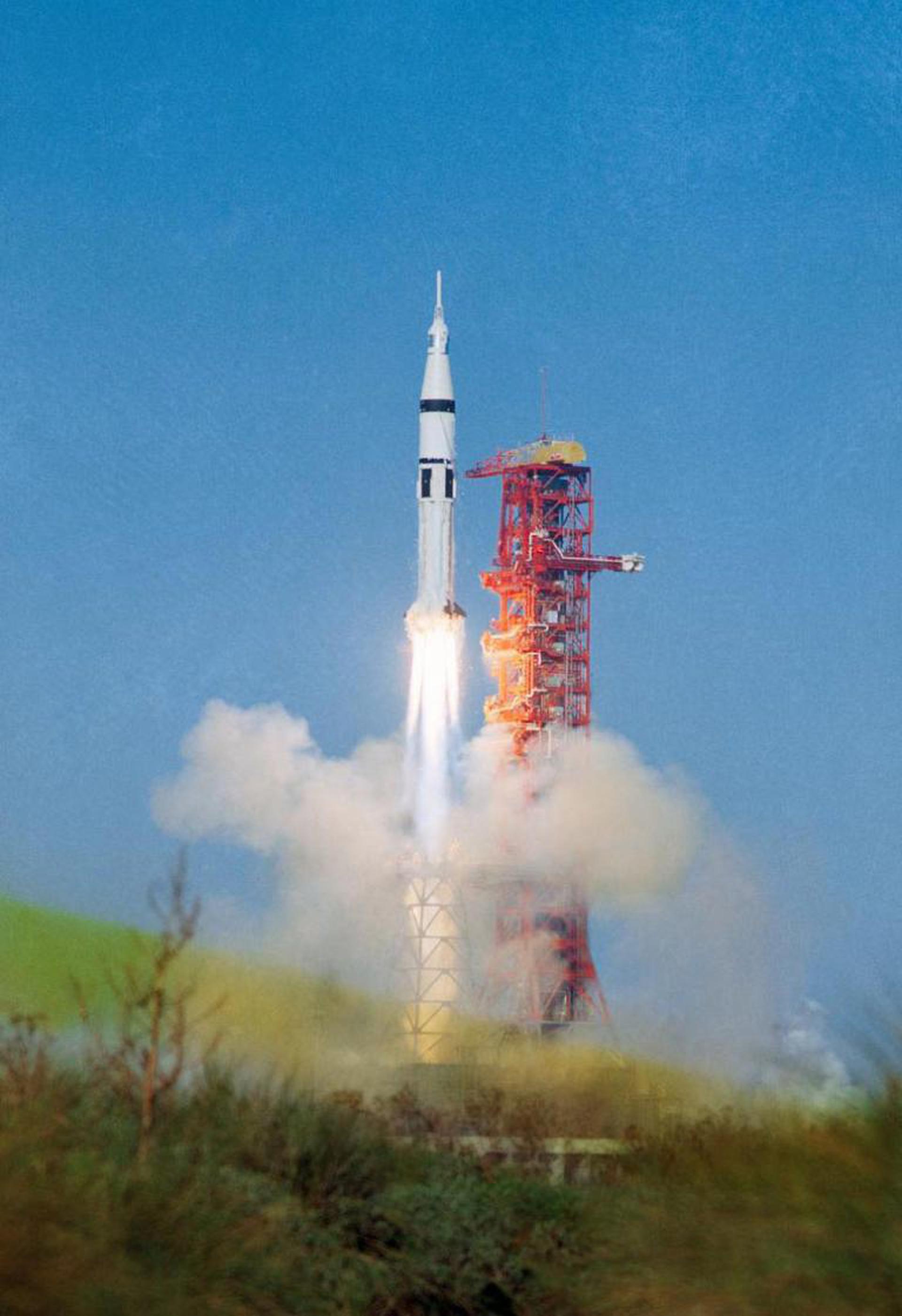
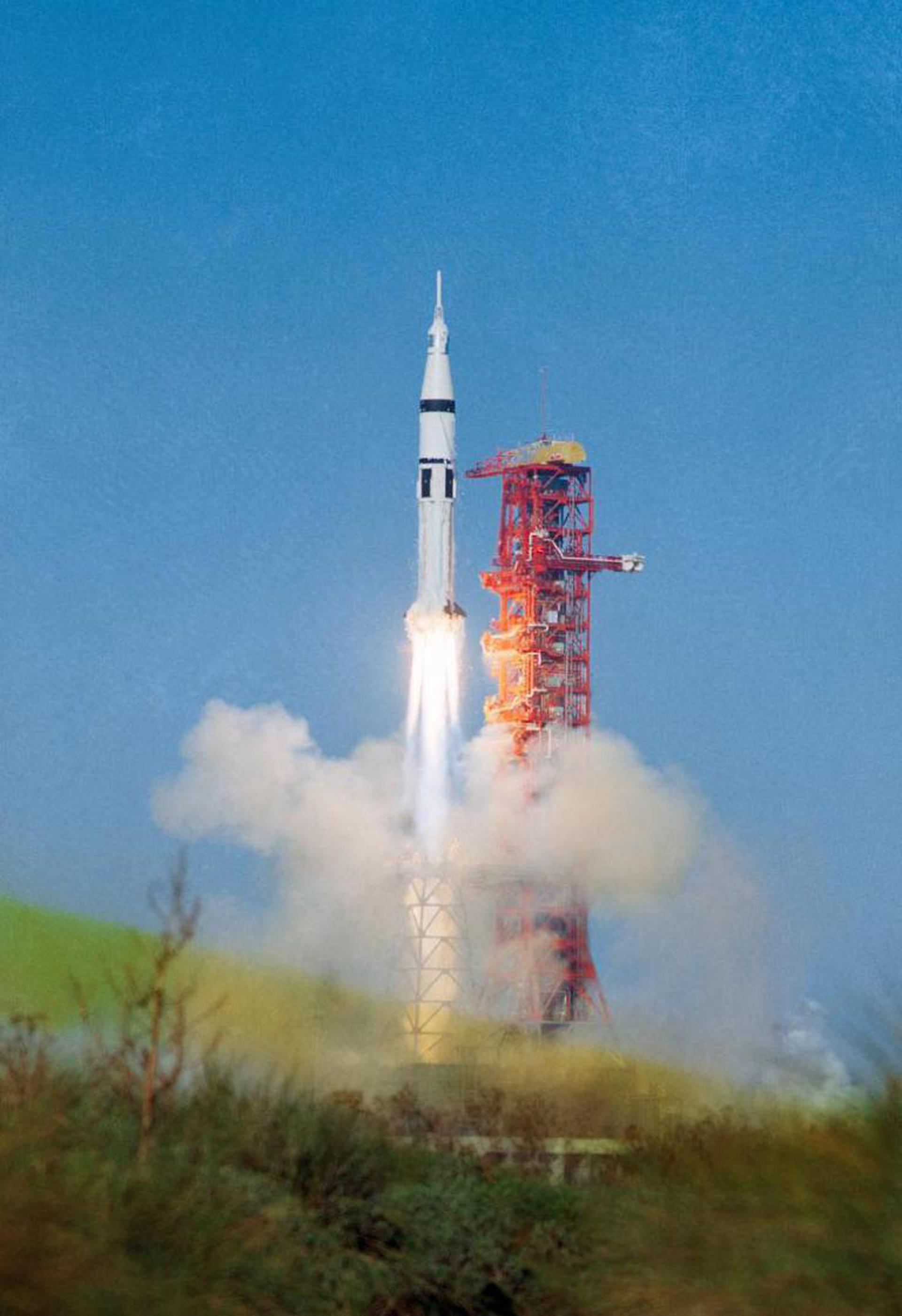
The Saturn IB (pronounced "one B", also known as the Uprated Saturn I) was an American launch vehicle commissioned by the National Aeronautics and Space Administration (NASA) for the Apollo program. It replaced the S-IV second stage of the Saturn I with the much more powerful S-IVB, able to launch a partially fueled Apollo Command/Service Module (CSM) or a fully fueled Lunar Module (LM) into low Earth orbit for early flight tests before the larger Saturn V needed for lunar flight was ready.

Saturn IB rocket

Height

43.2 m

Diameter

6.61 m

LEO capacity

21,000 kg

Manufacturer

National Aeronautics and Space Administration

Total launches

10

Successful

9

Pending

0

Successful landings

0

Flight system

Built to move mass beyond the atmosphere.

The National Aeronautics and Space Administration is an independent agency of the executive branch of the United States federal government responsible for the civilian space program, as well as aeronautics and aerospace research. NASA have many launch facilities but most are inactive. The most commonly used pad will be LC-39B at Kennedy Space Center in Florida.