Launch index
Launch Successful

H-IIA 204 | Michibiki 3 (QZS-3)

August 19, 2017 at 5:29 AM UTC

Tanegashima Space Center, Japan

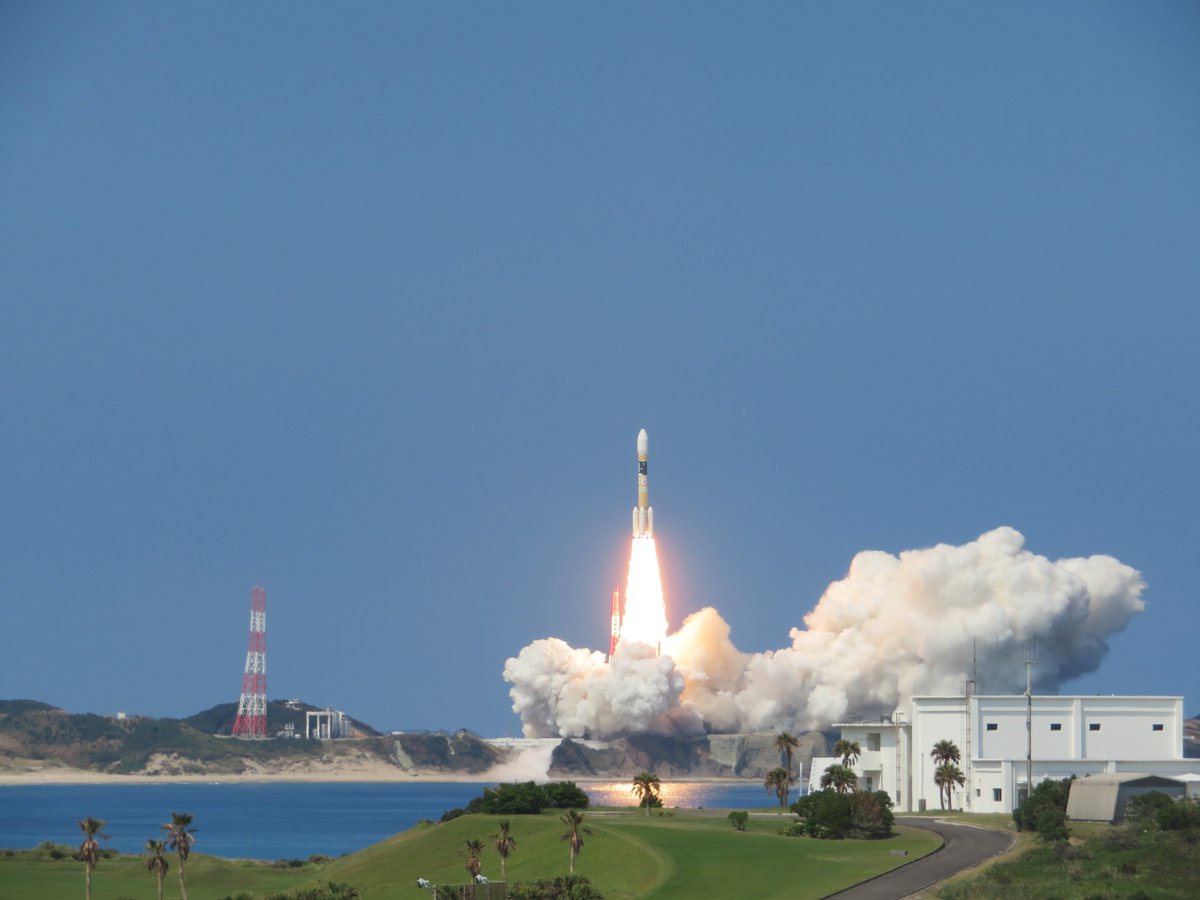
H-IIA 204 | Michibiki 3 (QZS-3) launch image
Mission imagery · H-IIA 204

Launch details

LAUNCH IN

T−00d00h00m00s

August 19, 2017 at 5:29 AM UTC

Status: Launch Successful · Live feed refreshes every 30 seconds

Yoshinobu Launch Complex LP-1

Tanegashima Space Center, Japan · 30.4008, 130.9778

Open map
Rocket
H-IIA 204
Launch site
Yoshinobu Launch Complex LP-1

Tanegashima Space Center, Japan

Launch probability
-1%
Window opens
August 19, 2017 at 5:29 AM UTC
Window closes
August 19, 2017 at 1:16 PM UTC
Feed updated
March 25, 2024 at 12:43 PM UTC

Mission description

The Quasi-Zenith Satellite System (QZSS) is a three-satellite regional time transfer system and the satellite-based augmentation system for the GPS that would be receivable within Japan. The primary purpose of QZSS is to increase the availability of GPS in Japan's numerous urban canyons, where only satellites at very high elevation can be seen. A secondary function is performance enhancement, increasing the accuracy and reliability of GPS derived navigation solutions. A single satellite weighs about 4000 kg, has an expected lifetime of 15 years and is put in a elliptical, highly inclined geosynchronous orbit.

Vehicle

H-IIA 204

H-II · A 204

Height

53 m

Diameter

4 m

LEO capacity

0 kg

Successful launches

5

Launch complex

Yoshinobu Launch Complex LP-1

Tanegashima Space Center, Japan

The Tanegashima Space Center is the largest rocket-launch complex in Japan. It is located on the southeastern tip of Tanegashima, an island located south of Kyushu, an island and region and Japan. It was established in 1969 when the National Space Development Agency of Japan (NASDA) was formed, and is now run by JAXA. The activities that take place at TNSC include assembly, testing, launching, and tracking satellites, as well as rocket engine firing tests.

Open map